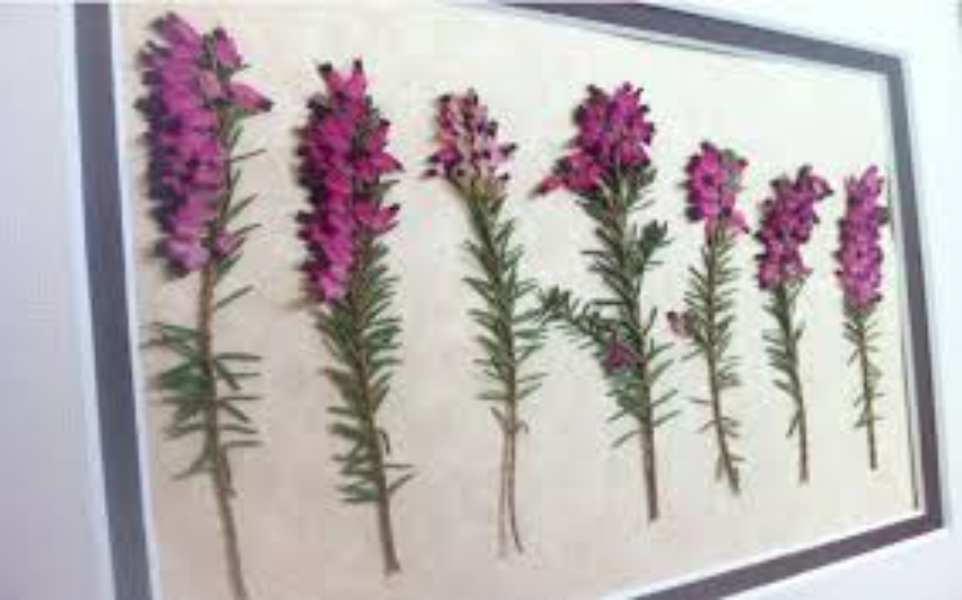
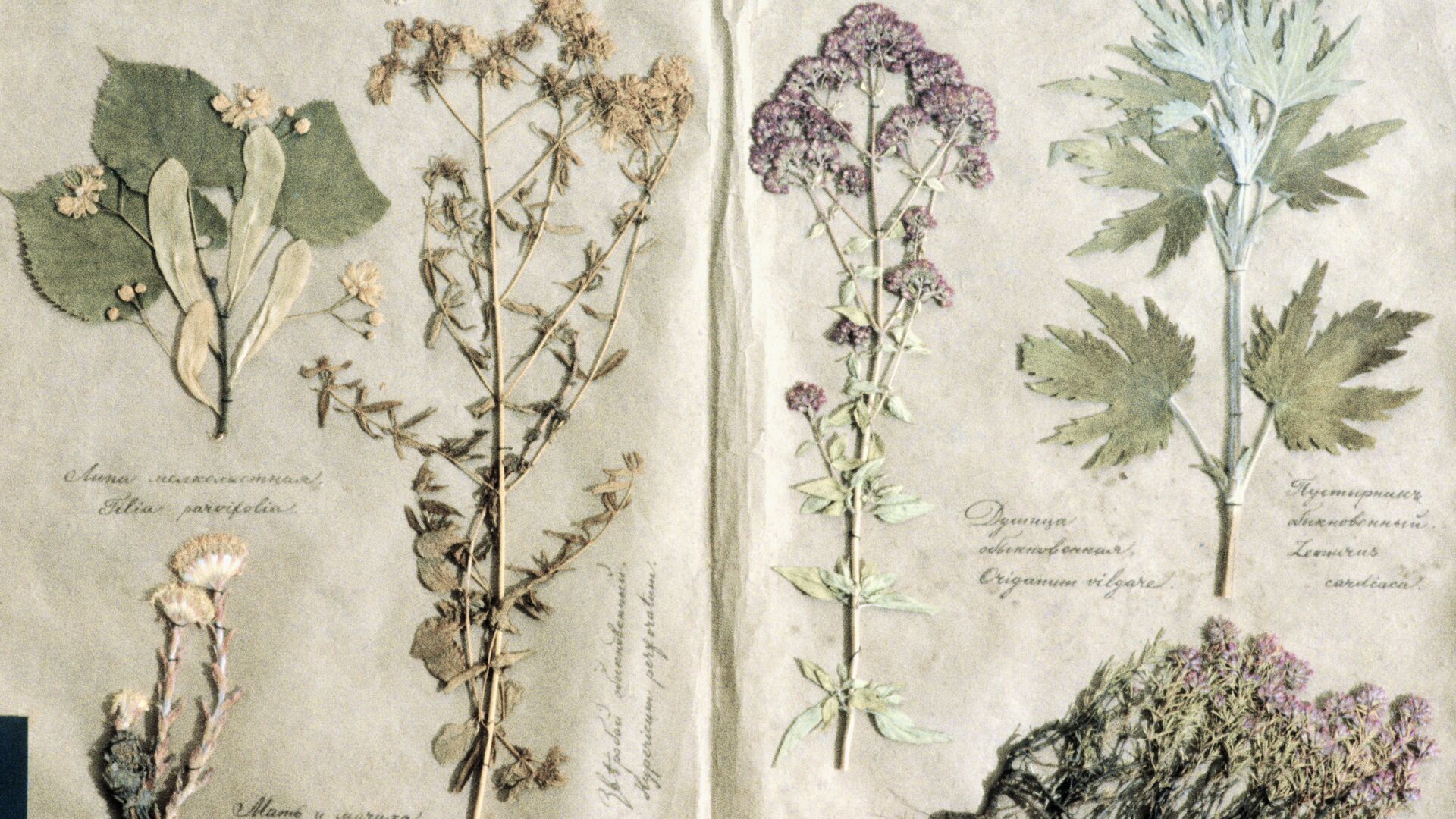
HERBARIUM (lat. herba - grass, plant) - 1) is understood as a collection of plants collected and dried using special methods for specific purposes (flora, systematics, geobotany, geographical research, etc.). There are about 500 large herbariums in the world, where more than 300,000 species of plants are stored. The largest of such collections are collected in cities such as Paris, Prague, London, Geneva, Washington, London, St. Petersburg, Moscow, Tashkent, Tomsk, and Kiev. In Tashkent (Institute of Botany and Botanical Garden of the Academy of Sciences of Uzbekistan), more than 1 million plant specimens are stored. There is a general herbarium (a collection of plants of a certain region) and a special herbarium (a collection of edible, technical, medicinal and other plants). The paper on which the collected plants are sewn or glued should be 42×30 cm in size. Plant specimens sewn onto special papers and labeled are stored in cabinets or boxes specially designed for herbariums based on a single system adopted worldwide (Engler system). 2) Special institutions where ready-made collections (herbariums) are stored and scientific work is carried out on them. Source: "National Encyclopedia of Uzbekistan". 2000.
HERBARIUM